Table of Contents
- Introduction to Electronic Television
- The History of Electronic Television
- How Electronic Television Works
- Camera Tube Technology
- Signal Transmission
- Cathode Ray Tube (CRT) Display
- The Evolution of Television Technology
- Color Television
- LCD and LED Televisions
- OLED and QLED Displays
- Smart TVs
- Advantages of Electronic Television
- Electronic Television vs. Mechanical Television
- Tips for Choosing the Right Television
- The Future of Television Technology
- Frequently Asked Questions (FAQs)
- Table of Contents
- What Is an Electronic Television?
- Why Choosing the Right Electronic Television Matters
- Understanding Screen Size and Viewing Distance
Best TV Sizes for Different Rooms
Ideal Viewing Distance
- Display Technology Explained
LED Television
QLED Television
OLED Television
- Why 4K Resolution Is the New Standard
- Smart TV Platforms to Consider
Google TV
Android TV
- Audio Quality: Don’t Ignore the Sound
- Essential Connectivity Features
HDMI Ports
USB Connectivity
Wi-Fi and Bluetooth
- Energy Efficiency and Long-Term Value
- Quick Buying Checklist
- Frequently Asked Questions
- Final Thoughts
Introduction to Electronic Television
Electronic television transformed the way people communicate, learn, and enjoy entertainment. From its humble beginnings with bulky cathode-ray tube (CRT) displays to today’s ultra-thin Smart TVs, television technology has evolved dramatically over the past century.
Unlike early mechanical television systems that relied on spinning disks and produced poor image quality, electronic television introduced electron beam technology and vacuum tubes, delivering sharper, brighter, and more stable images. This breakthrough laid the foundation for every television technology we use today, including LED, OLED, and Smart TVs.
Whether you enjoy watching movies, sports, educational programs, or streaming content on online platforms, modern television technology has become an essential part of everyday life.
The History of Electronic Television
The story of electronic television is one of remarkable innovation and scientific achievement.
Philo Farnsworth: The Visionary Inventor
In 1927, American inventor Philo Farnsworth successfully demonstrated the world’s first fully electronic television system. His revolutionary invention used an Image Dissector camera tube to convert light into electrical signals.
This achievement proved that television could operate without mechanical moving parts, making the technology faster, clearer, and more reliable.
Vladimir Zworykin’s Contributions
Another major contributor was Vladimir Zworykin, who developed the Iconoscope camera tube and the Kinescope picture tube. Working with RCA, Zworykin significantly improved electronic broadcasting technology and helped commercialize television.
Replacing Mechanical Television
By the 1930s, electronic television had almost completely replaced mechanical television because it offered:
- Higher image resolution
- Better brightness
- Reduced flickering
- More reliable performance
- Larger screen possibilities
This transition marked the beginning of the modern television era.
How Electronic Television Works
Electronic television converts images into electrical signals and reconstructs them on a display screen almost instantly.
Camera Tube Technology
The process begins with a television camera.
The camera tube scans the scene by converting light into electronic signals. Every tiny part of the image becomes electrical information that can be transmitted over long distances.
This innovation made live broadcasting possible.
Signal Transmission
Once converted into electrical signals, the information travels through:
- Radio waves
- Cable television
- Satellite broadcasting
- Fiber-optic networks
- Internet streaming
The receiver decodes these signals and prepares them for display.
Cathode Ray Tube (CRT) Display
Traditional CRT televisions use an electron gun inside a vacuum tube.
The electron beam rapidly scans the screen line by line while striking a phosphor-coated surface.
As the phosphor glows, a complete moving picture appears before the viewer.
Although CRT technology has largely disappeared, it played a crucial role in television history.
The Evolution of Television Technology

Television technology has continuously evolved to deliver better picture quality, improved sound, and smarter features.
Color Television
The introduction of color television during the 1950s revolutionized home entertainment.
Instead of displaying only black-and-white images, color television combined three primary colors:
- Red
- Green
- Blue
These RGB signals created millions of realistic colors, making television viewing far more immersive.
Color broadcasting soon became the global standard.
LCD and LED Televisions
As technology advanced, bulky CRT televisions gave way to lightweight flat-panel displays.
LCD (Liquid Crystal Display) televisions offered:
- Slim design
- Better brightness
- Improved durability
LED televisions further enhanced LCD technology by replacing fluorescent backlighting with energy-efficient LED lights.
Benefits include:
- Better contrast
- Higher brightness
- Longer lifespan
- Reduced electricity consumption
These improvements made televisions thinner, lighter, and more affordable.
OLED and QLED Displays
Modern premium televisions continue pushing image quality to new heights.
OLED televisions use self-illuminating pixels that produce:
- Perfect black levels
- Infinite contrast
- Outstanding viewing angles
- Rich color accuracy
QLED televisions improve brightness and color using quantum dot technology, making them ideal for bright living rooms.
Both technologies offer exceptional viewing experiences depending on user preferences.
Smart TVs
Perhaps the biggest transformation in recent years has been the rise of Smart TVs.
A Smart TV combines traditional television with internet connectivity.
Common features include:
- Built-in Wi-Fi
- Video streaming apps
- Voice control
- Screen mirroring
- App downloads
- Online gaming
- Web browsing
Instead of relying solely on cable connections, viewers can access digital content directly from the internet.
Advantages of Electronic Television
Electronic television offers numerous benefits that have made it a household essential worldwide.
Better Picture Quality
Electronic scanning produces clearer, sharper images than mechanical systems.
Faster Image Processing
Electronic signals travel rapidly, enabling smooth video playback and live broadcasting.
Reliable Performance
Modern televisions operate efficiently with fewer moving components, reducing wear and maintenance.
Energy Efficiency
Today’s LED and OLED televisions consume significantly less electricity than older CRT models.
Versatile Entertainment
Televisions now support:
- Streaming services
- Educational content
- Gaming
- Video conferencing
- Music applications
This versatility makes televisions suitable for both work and leisure.
Electronic Television vs. Mechanical Television
| Feature | Electronic Television | Mechanical Television |
|---|---|---|
| Picture Quality | High | Low |
| Resolution | Excellent | Limited |
| Brightness | Superior | Poor |
| Moving Parts | Very Few | Numerous |
| Reliability | High | Low |
| Commercial Success | Worldwide | Short-lived |
Electronic television clearly surpassed mechanical television in every major category, leading to its widespread adoption.
Tips for Choosing the Right Television
FHD QLED TV | 1 GB RAM | 8 GB ROM | 64-bit Quad Core Processor| Wi-Fi 4 |Multiple Eye Care | Google Assistant |Prime Video, Netflix, Hotstar, Zee5 and more| Web Browser | Screen MirroringFHD QLED TV
HD Ready QLED TV
Best price
Google TV | Karaoke Mode | Google assistant
IPE Technology, best service
HDR 10 ,best price
Title
Thumbnail   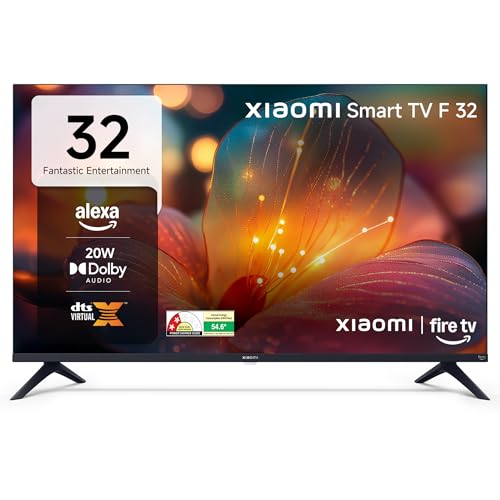 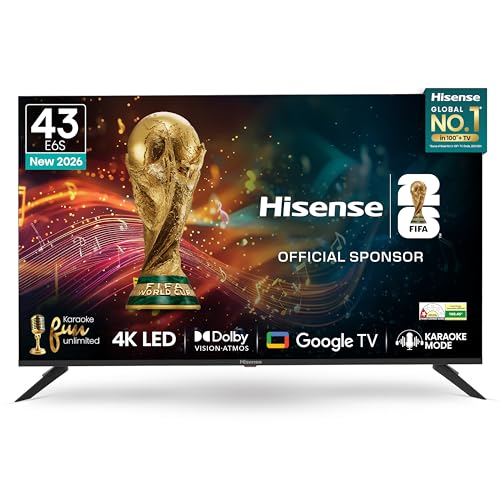 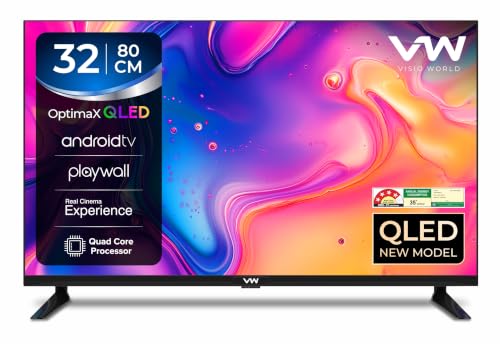 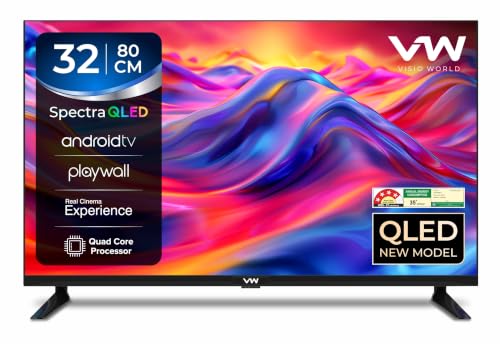
Price
₹19,990
₹18,990
₹13,999
₹26,990
₹9,999
More information
FHD QLED TV | 1 GB RAM | 8 GB ROM | 64-bit Quad Core Processor| Wi-Fi 4 |Multiple Eye Care | Google Assistant |Prime Video, Netflix, Hotstar, Zee5 and more| Web Browser | Screen MirroringFHD QLED TV
Title
Thumbnail
Price
₹19,990
More information
HD Ready QLED TV
Title
Thumbnail
Price
₹18,990
More information
Best price
Title
Thumbnail
Price
₹13,999
More information
Google TV | Karaoke Mode | Google assistant
Title
Thumbnail
Price
₹26,990
More information
IPE Technology, best service
Title
Thumbnail
More information
HDR 10 ,best price
Title
Thumbnail
Price
₹9,999
More information | |
Selecting the right television depends on your viewing habits and available space.
Screen Size
Choose a screen size that matches your room dimensions and seating distance.
Display Technology
- LED for affordability
- OLED for premium picture quality
- QLED for bright environments
Resolution
Modern buyers should consider:
- Full HD
- 4K Ultra HD
- 8K (for future-ready setups)
Smart Features
Look for:
- Wi-Fi connectivity
- Popular streaming apps
- Voice assistants
- Software updates
- Multiple HDMI ports
Energy Rating
Energy-efficient televisions reduce electricity bills while supporting environmentally responsible usage.
The Future of Television Technology
The future of electronics television continues to evolve rapidly.
Emerging innovations include:
- AI-powered picture optimization
- Advanced HDR technology
- MicroLED displays
- Flexible television screens
- Cloud gaming integration
- Faster wireless connectivity
- Personalized content recommendations
As artificial intelligence and display engineering continue to improve, televisions will become even smarter, more interactive, and more energy-efficient.
Frequently Asked Questions (FAQs)
What is electronic television?
Electronic television is a system that captures, transmits, and displays moving images using electronic components such as camera tubes, electron beams, and display technologies.
Who invented electronic television?
Philo Farnsworth demonstrated the first fully electronic television system in 1927, while Vladimir Zworykin made significant contributions through the development of camera and display tubes.
Why did electronic television replace mechanical television?
Electronic television provided higher image quality, greater reliability, smoother motion, and better scalability, making it superior to mechanical systems.
What is a CRT television?
A CRT (Cathode Ray Tube) television uses an electron beam to create images by illuminating phosphor on a glass screen.
How is a Smart TV different from older televisions?
A Smart TV includes internet connectivity, streaming applications, voice control, and access to online services without requiring separate external devices.
Electronic Television Buying Guide: How to Choose the Best Electronic Television in India

Choose the right electronic television
TCL 80 cms (32 inches) V5C Series Full HD Smart QLED Google TV 32V5C
TCL 80 cms (32 inches) V4C Series HD Ready Smart QLED Google TV 32V4C
XIAOMI 80 cm (32 inch) F Series HD Ready Smart LED Fire TV L32MB-FIN
Hisense 108 cm (43 inches) E6S Series 4K Ultra HD Smart LED Google TV 43E6S
VW 80 cm (32 inches) OptimaX Series HD Ready Smart QLED Android TV VW32AQ1
VW 80 cm (32 inches) Spectra Series HD Ready Smart QLED Android TV VW32AQ3
An electronic television has become much more than a device for watching traditional broadcasts. Today, it serves as a complete entertainment hub, allowing families to stream movies, follow live sports, attend online classes, enjoy gaming, and stay connected through internet-based applications. With countless television models available in the Indian market, selecting the right one can feel overwhelming.
The good news is that understanding a few essential features can make your buying decision much easier. Factors such as screen size, display technology, picture resolution, audio quality, smart operating systems, and connectivity options all play a significant role in determining the overall viewing experience.
Whether you are purchasing your first television or replacing an older model, this guide will help you choose the best electronic television for your home.
Why Choosing the Right Electronic Television Matters
Buying a television is often a long-term investment. A carefully selected model can provide years of reliable entertainment while consuming less electricity and delivering excellent picture quality.
Instead of focusing only on price, buyers should compare performance, durability, software support, and future-ready features. A television that matches your room size and viewing habits will provide a much better experience than simply purchasing the largest screen available.
Understanding Screen Size and Viewing Distance
One of the biggest mistakes buyers make is selecting an inappropriate screen size.
A television should complement the dimensions of your room while providing comfortable viewing from your seating position.
Best TV Sizes for Different Rooms
Different spaces require different television sizes.
Small Bedrooms and Kitchens
Compact spaces work well with televisions between 32 inches and 43 inches. These sizes offer clear images without overwhelming the room.
Medium Living Rooms
For average family rooms, televisions between 43 inches and 55 inches strike an excellent balance between comfort and immersion.
Large Living Rooms
If your seating distance is greater and you enjoy movies or sports, choosing a 55-inch to 65-inch electronic television can significantly enhance your viewing experience.
Ideal Viewing Distance
A simple guideline is to sit approximately twice the diagonal screen size away from the television.
Maintaining the correct distance helps reduce eye strain while allowing viewers to appreciate every detail of the picture.
Display Technology Explained
Modern televisions use several display technologies, each designed for different budgets and viewing preferences.
Understanding these technologies helps buyers make smarter purchasing decisions.
LED Television
LED televisions remain the most popular choice among Indian consumers.
They provide:
- Affordable pricing
- Low power consumption
- Bright displays
- Long operational life
- Reliable performance
LED televisions perform especially well in brightly lit rooms, making them an excellent option for everyday viewing.
QLED Television
QLED technology improves upon conventional LED displays by incorporating Quantum Dot technology.
Benefits include:
- Higher brightness
- Richer colors
- Improved HDR performance
- Better visibility in well-lit environments
For users seeking premium picture quality without the higher cost of OLED models, QLED offers an attractive middle-ground solution.
OLED Television
OLED televisions represent one of the most advanced display technologies currently available.
Unlike LED-based displays, OLED panels illuminate individual pixels independently.
This allows for:
- Perfect black levels
- Exceptional contrast
- Outstanding color accuracy
- Wide viewing angles
- Smooth motion performance
OLED televisions perform particularly well in darker rooms where cinematic picture quality is most noticeable.
Why 4K Resolution Is the New Standard
Picture resolution determines how much detail appears on the screen.
Today, 4K Ultra HD has become the recommended standard for televisions measuring 43 inches and larger.
Compared with Full HD, 4K offers:
- Four times more pixels
- Sharper text
- Greater image clarity
- Improved streaming quality
- Enhanced gaming visuals
As more streaming platforms produce 4K content, investing in a 4K electronic television helps future-proof your purchase.
Smart TV Platforms to Consider
Modern electronic televisions now function much like computers, offering internet connectivity and downloadable applications.
Choosing the right operating system can greatly improve everyday usability.
Google TV
Google TV provides an intuitive interface with personalized recommendations based on viewing habits.
Popular features include:
- Google Assistant
- Chromecast built-in
- Voice search
- Easy navigation
- Extensive app library
Streaming services such as Netflix, Prime Video, YouTube, and Disney+ Hotstar are readily accessible.
Android TV
Android TV remains another excellent option.
Advantages include:
- Thousands of compatible applications
- Frequent software updates
- Smartphone integration
- Google Play Store support
- Flexible customization
Both Google TV and Android TV provide smooth performance for most households.
Audio Quality: Don’t Ignore the Sound
Picture quality often receives the most attention, but sound is equally important.
A television with weak speakers may require additional investment later.
Look for an electronic television offering:
- Minimum 20W speaker output
- Dolby Audio support
- Dolby Atmos compatibility
- Clear dialogue enhancement
For larger rooms or home theatre setups, pairing the television with a quality soundbar can further improve the listening experience.
Essential Connectivity Features
Modern households connect televisions to multiple devices.
Ensuring adequate connectivity helps maximize your television’s versatility.
HDMI Ports
Choose a television with at least three HDMI ports.
If you intend to connect gaming consoles or next-generation media devices, HDMI 2.1 compatibility provides additional future readiness.
USB Connectivity
At least two USB ports allow convenient playback of photos, videos, and music from external storage devices.
USB connectivity also supports firmware updates on many television models.
Wi-Fi and Bluetooth
Reliable wireless connectivity has become essential.
Look for:
- Dual-band Wi-Fi
- Bluetooth support
- Screen mirroring
- Wireless headphones compatibility
- Smartphone casting
These features improve convenience while reducing cable clutter.
Energy Efficiency and Long-Term Value

Electricity consumption remains an important consideration for many households.
Energy-efficient televisions not only reduce monthly power bills but also contribute to sustainable energy use.
Before purchasing, compare energy ratings, standby power consumption, and manufacturer warranties.
Choosing a reliable brand with good after-sales service often provides better long-term value than selecting the cheapest available model.
Quick Buying Checklist
Before finalizing your purchase, confirm that your electronic television includes:
- Appropriate screen size for your room
- 4K Ultra HD resolution
- LED, QLED, or OLED display technology
- Google TV or Android TV platform
- Minimum 20W audio output
- Dolby Audio or Dolby Atmos support
- Three HDMI ports
- Two USB ports
- Dual-band Wi-Fi
- Bluetooth connectivity
- Energy-efficient operation
- Comprehensive warranty coverage
Following this checklist can simplify your buying process and help you select a television that meets both your current and future entertainment needs.
Frequently Asked Questions
Is 4K necessary for a new electronic television?
Yes. For televisions measuring 43 inches or larger, 4K Ultra HD offers significantly sharper images and is well-suited to modern streaming content.
Which display technology is best?
LED is ideal for budget-conscious buyers; QLED offers brighter colors and improved HDR performance; while OLED delivers exceptional contrast and picture quality for premium viewing.
How many HDMI ports should a television have?
At least three HDMI ports are recommended to accommodate streaming devices, gaming consoles, and audio equipment simultaneously.
Which Smart TV operating system should I choose?
Google TV and Android TV are both excellent choices, offering extensive app support, voice control, and seamless smartphone integration.
Final Thoughts
Selecting the right electronic television involves more than comparing prices or choosing the biggest screen. Buyers should carefully evaluate screen size, viewing distance, display technology, resolution, smart features, sound quality, connectivity, and energy efficiency before making a decision.
A thoughtfully chosen television can provide years of enjoyable entertainment while adapting to future technologies. By focusing on quality, performance, and practical features, Indian consumers can confidently invest in an electronic television that suits their lifestyle, budget, and home environment.
Television has come a long way since its invention in the late 1920s. From the pioneering work of Philo Farnsworth and Vladimir Zworykin to today’s AI-powered Smart TVs, each technological advancement has improved picture quality, accessibility, and user experience. Understanding the history, operation, and evolution of electronic television helps consumers appreciate the remarkable engineering behind modern displays while making informed decisions when purchasing a new TV. As display technologies continue to advance, electronic television will remain at the forefront of home entertainment, education, and digital communication.
I just published a new informative article on the best electronic television brands available in India. If you’re planning to buy a new TV or simply want to compare the top brands, this article offers valuable insights to help you make an informed decision.
I hope you enjoy reading the article and find it useful. If you found it helpful, please subscribe and follow the website for more informative articles and the latest updates. I’d also love to hear your thoughts, so don’t forget to leave your valuable comment!

For more, go to the story
Discover more from currentnewschannel.com
Subscribe to get the latest posts sent to your email.