Virus spreading from shrimp?
Virus spreading from shrimp is rapidly becoming a topic of global concern, especially in the post-pandemic world where awareness around zoonotic and foodborne infections has significantly increased. Reports emerging from parts of Asia, including China, suggest that a newly observed virus linked to marine life—particularly shrimp and crab—may be associated with unusual health symptoms, including eye-related conditions. While seafood remains a staple delicacy across cultures, including in Indian and Bengali households, this development calls for a deeper understanding, not panic.
This article explores the science, risks, transmission pathways, and preventive strategies related to the Virus spreading from shrimp, while maintaining a balanced, evidence-based, and SEO-optimized approach.
Table of Contents
- Introduction to Virus spreading from shrimp
- Understanding marine viruses and their evolution
- Virus spreading from shrimp: What researchers are saying
- How the virus affects humans
- Virus spreading from shrimp in global seafood supply chains
- Symptoms linked to the shrimp-related virus
- Virus spreading from shrimp and eye health concerns
- How seafood consumption habits are changing
- Virus spreading from shrimp: Cooking and hygiene practices
- Role of aquaculture and farming conditions
- Virus spreading from shrimp in Asia and beyond
- Scientific insights into CMNV-like viruses
- Virus spreading from shrimp: Risk vs reality
- Safe seafood consumption guidelines
- Impact on restaurants and seafood industry
- Government and health advisories
- Virus spreading from shrimp: Myths and misconceptions
- Preventive strategies for households
- Future research and monitoring
- Conclusion
Virus spreading from shrimp: A Growing Concern
The phrase Virus spreading from shrimp has begun circulating widely due to recent findings published in scientific journals like Nature Microbiology. Researchers have identified virus strains in aquatic animals that resemble the Covert Mortality Nodavirus (CMNV), a pathogen known to affect shrimp populations.
What makes this situation noteworthy is the potential for cross-species interaction. While not all marine viruses infect humans, certain conditions—such as improper cooking or handling—may increase exposure risks.
Understanding Marine Viruses and Their Evolution
Marine ecosystems host a vast diversity of viruses. Most are harmless to humans, but some evolve over time. Mutation, environmental stress, and aquaculture practices can influence viral behavior.
The Virus spreading from shrimp is believed to share structural similarities with CMNV. This suggests a pattern of adaptation, possibly allowing the virus to survive outside aquatic hosts under certain conditions.
Short sentence.
Longer explanation follows.
Viruses do not remain static. They evolve. And when they do, their host range can sometimes expand.
Virus spreading from shrimp: What Researchers Are Saying
Recent studies indicate that the Virus spreading from shrimp may originate in densely populated aquaculture farms. These environments often facilitate rapid viral replication due to:
- High stocking density
- Limited water circulation
- Increased stress among aquatic species
Scientists emphasize caution rather than alarm. There is ongoing research to determine whether the virus directly infects humans or causes indirect effects.
How the Virus Affects Humans
Current observations suggest that exposure to the Virus spreading from shrimp may be linked to certain health symptoms, particularly affecting the eyes.
However, it is crucial to note:
- There is no confirmed large-scale human outbreak
- Most cases appear localized
- Transmission pathways are still under investigation
Short sentence again.
Clarity matters.
Virus spreading from shrimp in Global Seafood Supply Chains
Seafood today travels across continents. A shrimp harvested in one country may be consumed thousands of miles away.
This global movement raises questions:
- Can the Virus spreading from shrimp survive cold storage?
- Does freezing eliminate viral activity?
- Are supply chains adequately monitored?
Experts believe proper freezing reduces risk, but does not replace cooking.
Symptoms Linked to the Shrimp-Related Virus
Reported symptoms associated with the Virus spreading from shrimp include:
- Eye irritation
- Redness or inflammation
- Mild discomfort
In rare observations, individuals exposed to contaminated seafood environments reported more persistent eye issues.
Short. Sharp. Informative.
Virus spreading from shrimp and Eye Health Concerns
One of the most discussed aspects of the Virus spreading from shrimp is its possible link to eye-related conditions.
Why the eyes?
Because mucous membranes are vulnerable entry points. Improper handling of raw seafood followed by touching the eyes may increase exposure.
This highlights a simple yet powerful preventive measure: hand hygiene.
How Seafood Consumption Habits Are Changing

Seafood consumption is evolving rapidly. Traditional dishes now coexist with modern culinary trends.
From:
- Spicy crab curries
- Classic shrimp malai curry
To:
- Grilled lobster
- Seared seafood platters
With this shift, the Virus spreading from shrimp becomes relevant across demographics, not just traditional consumers.
Virus spreading from shrimp: Cooking and Hygiene Practices
Cooking remains the strongest defense.
To minimize risks associated with the Virus spreading from shrimp, follow these practices:
- Cook seafood at high temperatures
- Avoid consuming raw or undercooked shrimp
- Wash hands thoroughly after handling raw seafood
- Use separate utensils for raw and cooked food
Simple steps. Big impact.
Role of Aquaculture and Farming Conditions
Aquaculture plays a central role in seafood production. However, it also creates environments where viruses can thrive.
The Virus spreading from shrimp has been linked to:
- Intensive farming methods
- Poor water quality
- Lack of biosecurity measures
Improving farming standards is essential for long-term safety.
Virus spreading from shrimp in Asia and Beyond
While initial reports emerged from China, the Virus spreading from shrimp has also been observed in:
- Other Asian countries
- Parts of the United States
This does not indicate widespread danger, but rather the need for coordinated monitoring.
Scientific Insights into CMNV-like Viruses
CMNV, or Covert Mortality Nodavirus, primarily affects shrimp. It leads to reduced survival rates in aquaculture.
The Virus spreading from shrimp shows similar characteristics:
- RNA-based structure
- High mutation potential
- Ability to persist in aquatic environments
Scientific investigation is ongoing to understand its full behavior.
Virus spreading from shrimp: Risk vs Reality
It is easy to overestimate risk in the absence of clear data.
Reality check:
- No confirmed widespread human transmission
- Most risks linked to improper handling
- Cooking significantly reduces potential exposure
Balanced understanding is key.
Safe Seafood Consumption Guidelines
To stay safe while enjoying seafood:
- Buy from trusted sources
- Store seafood at appropriate temperatures
- Cook thoroughly
- Avoid cross-contamination
The Virus spreading from shrimp should encourage caution, not avoidance.
Impact on Restaurants and Seafood Industry
Restaurants are adapting quickly.
Measures include:
- Enhanced hygiene protocols
- Strict sourcing standards
- Staff training on food safety
The Virus spreading from shrimp has pushed the industry toward better practices.
Government and Health Advisories
Health agencies are monitoring the situation closely.
Advisories focus on:
- Public awareness
- Food safety education
- Surveillance of aquaculture farms
The goal is prevention, not panic.
Virus spreading from shrimp: Myths and Misconceptions
Several misconceptions have emerged:
Myth: All shrimp carry the virus
Reality: Only specific conditions show viral presence
Myth: Seafood should be avoided completely
Reality: Properly cooked seafood is safe
Clarity reduces fear.
Preventive Strategies for Households
At home, prevention is simple:
- Wash seafood thoroughly
- Cook at high heat
- Avoid touching face during preparation
- Clean kitchen surfaces
The Virus spreading from shrimp becomes manageable with basic hygiene.
Future Research and Monitoring
Scientists continue to study:
- Viral structure
- Transmission pathways
- Human health impact
The Virus spreading from shrimp is still under investigation, and new insights are expected.
Conclusion
The emergence of the Virus spreading from shrimp highlights an important lesson: food safety is inseparable from public health. While the idea of a virus linked to seafood may sound alarming, the actual risk remains manageable with proper awareness and precautions.
Seafood lovers need not give up their favorite dishes. Instead, they should focus on safe preparation, informed choices, and staying updated with credible information.
Short sentence to end.
Stay aware. Stay safe.
Many affected by rare eye disease is no longer a distant medical concern discussed only in research journals. It is a growing global reality. Across continents, from developed nations to emerging economies, millions of individuals—many of them children and young adults—are navigating life with visual challenges caused by conditions that are often misunderstood, underdiagnosed, and difficult to treat.
The phrase Many affected by rare eye disease captures both the scale and the urgency of this issue. Over 900 rare eye diseases have been identified worldwide. Individually, they may seem uncommon. Together, they form a significant public health burden.
Short sentence.
But the implications are vast.
Rare eye diseases frequently lead to progressive vision impairment. In many cases, they result in partial or complete blindness. The impact is not only medical but also emotional, social, and economic.
Many affected by rare eye disease: Understanding the global burden

The global footprint of rare eye diseases is expanding. While each condition affects a small percentage of the population, the combined numbers are striking.
Millions of people are affected worldwide. In the United States alone, inherited retinal diseases impact an estimated 400,000 individuals. In countries with limited access to healthcare, the numbers may be even higher, though often underreported.
The phrase Many affected by rare eye disease is not an exaggeration. It is a reflection of reality.
What makes these diseases particularly challenging is their diversity. There is no single cause. No universal treatment. Each condition behaves differently, progresses at its own pace, and requires specialized care.
Many affected by rare eye disease and the role of genetics
A large proportion of rare eye diseases are genetic. This means they are inherited and often present from birth or early childhood.
Genetic mutations can affect different parts of the eye, including:
- The retina
- The macula
- The optic nerve
These mutations disrupt normal visual function. Over time, the damage accumulates.
Consider retinitis pigmentosa. This condition alone affects approximately 1.5 million people globally. It typically begins with difficulty seeing at night. Gradually, peripheral vision narrows. Eventually, central vision may also be affected.
Short sentence.
Slow progression.
Profound impact.
Another example is Stargardt disease, often referred to as juvenile macular degeneration. It primarily affects central vision, making tasks like reading and recognizing faces increasingly difficult.
The genetic nature of these conditions underscores the importance of early detection. It also highlights the role of genetic counseling.
Many affected by rare eye disease: Key conditions shaping the crisis
Several rare eye diseases contribute significantly to the global burden. Each has its own characteristics, challenges, and outcomes.
Retinitis Pigmentosa stands out as one of the most common inherited retinal disorders. It progresses gradually but relentlessly. Night blindness is often the first symptom.
Stargardt Disease, on the other hand, affects the macula. It leads to central vision loss, often beginning in childhood or adolescence.
Usher Syndrome presents a dual challenge. It affects both hearing and vision. Patients may experience hearing loss early in life, followed by progressive vision impairment due to retinitis pigmentosa.
Uveal Coloboma is a congenital condition. It occurs when parts of the eye fail to develop properly. This can lead to significant visual impairment from birth. Though rare, it remains a notable cause of childhood blindness.
Achromatopsia is another condition with distinct features. Individuals with this disorder experience extreme sensitivity to light. Colors appear muted or absent. Visual clarity is reduced.
Leber Congenital Amaurosis (LCA) is among the most severe. It appears at birth or within the first few months of life. Vision is profoundly impaired from the beginning.
Then there is retinoblastoma. A rare eye tumor that primarily affects young children. Early detection is critical. With timely treatment, outcomes can improve significantly.
Each condition adds to the growing narrative: Many affected by rare eye disease, and each case demands attention.
Many affected by rare eye disease and challenges in diagnosis
Diagnosis remains one of the biggest hurdles.
Rare diseases, by definition, are not commonly encountered. This means many healthcare providers may not immediately recognize the symptoms.
Patients often experience delays. Multiple consultations. Misdiagnoses.
Short sentence.
Time is lost.
Advanced diagnostic tools, including genetic testing and retinal imaging, are improving detection rates. However, access to these technologies is not universal.
In many regions, particularly in low-resource settings, diagnosis may occur late. By then, significant vision loss may have already occurred.
Many affected by rare eye disease: Treatment landscape and emerging hope
Treatment options for rare eye diseases have historically been limited. For many conditions, there is no definitive cure.
However, the landscape is changing.
Gene therapy is emerging as a promising approach. By targeting the underlying genetic mutation, it aims to restore or preserve vision.
Some therapies have already shown success in clinical trials. Others are in development.
Supportive treatments also play a crucial role. These include:
- Vision aids
- Specialized education programs
- Rehabilitation services
While these do not cure the disease, they improve quality of life.
The message is evolving.
From limitation to possibility.
Many affected by rare eye disease and the impact on daily life
Vision is central to daily living. When it is compromised, the effects ripple across every aspect of life.
Children with rare eye diseases may face challenges in education. Reading becomes difficult. Classroom participation may be limited.
Young adults encounter barriers in employment. Career options may be restricted. Independence can be affected.
Families also feel the impact. Emotional stress. Financial strain. The need for long-term care.
The phrase Many affected by rare eye disease extends beyond patients. It includes caregivers, educators, and communities.
Many affected by rare eye disease: The importance of early intervention
Early intervention can make a significant difference.
When diagnosed early, patients can access supportive care sooner. Vision loss may be slowed. Adaptation strategies can be introduced.
Genetic counseling is particularly valuable for families. It provides insights into inheritance patterns and future risks.
Screening programs, especially for newborns and young children, are essential. They enable timely identification of conditions like LCA or congenital anomalies.
Short sentence.
Early action matters.
Many affected by rare eye disease and public awareness
Awareness remains limited.
Many people are unfamiliar with rare eye diseases until they are personally affected. This lack of awareness can delay diagnosis and treatment.
Public health campaigns play a critical role. They educate communities. Encourage regular eye check-ups. Promote early detection.
Digital platforms are also amplifying awareness. Patients and advocacy groups are sharing stories. Building communities. Driving change.
Many affected by rare eye disease: Research and innovation
Research is advancing rapidly.
Scientists are exploring new treatment modalities. From gene editing to stem cell therapy, the possibilities are expanding.
Collaboration is key. Academic institutions, healthcare providers, and global organizations are working together.
Data sharing is improving understanding. Clinical trials are accelerating progress.
The future is not without challenges.
But it is not without hope.
Many affected by rare eye disease and the role of healthcare systems
Healthcare systems must adapt to address the unique needs of rare disease patients.
This includes:
- Training specialists
- Expanding diagnostic facilities
- Supporting research initiatives
Access to care must be equitable. Regardless of geography or socioeconomic status.
Policy frameworks also play a role. Funding for rare disease research. Support for patient programs. Inclusion in national health agendas.
Many affected by rare eye disease: A call for collective action
Addressing rare eye diseases requires collective effort.
Governments.
Healthcare providers.
Researchers.
Communities.
Each has a role to play.
Awareness must increase. Diagnosis must improve. Treatment options must expand.
The phrase Many affected by rare eye disease should not remain a statistic. It should drive action.
Conclusion: Seeing the future clearly
Rare eye diseases present a complex challenge. They are diverse, often genetic, and frequently progressive.
Yet, within this complexity lies opportunity.
Advances in science are opening new doors. Awareness is growing. Support systems are strengthening.
The journey is ongoing.
Progress is steady.
And while Many affected by rare eye disease today, the hope is that tomorrow, fewer will face the same challenges without solutions.
Short sentence to end.
Vision matters.
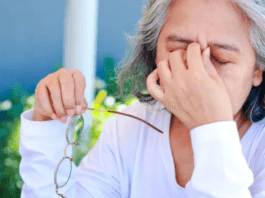
Vision can be lost if not careful—a statement that sounds simple, almost obvious, yet carries profound medical truth. In a world where screens dominate daily life and routine health checks are often delayed, eye health tends to be overlooked until problems become impossible to ignore. The danger lies not in dramatic symptoms, but in silence. Many eye conditions develop slowly, painlessly, and without early warning, quietly reducing vision until damage becomes permanent.
Short sentence.
That is the real risk.
Across age groups and lifestyles, millions face preventable or manageable vision problems. Some lose sight gradually. Others experience sudden disruption. In both cases, the underlying message remains clear: Vision can be lost if not careful, and awareness is the first line of defense.
The human eye is remarkably complex. It processes light, color, depth, and motion with precision. Yet it is also vulnerable. Small disruptions in pressure, blood flow, or cellular health can trigger long-term consequences. What makes this more concerning is that many serious eye conditions do not cause pain. There is no immediate alarm. No clear signal to act.
Instead, vision fades quietly.
This is why the phrase Vision can be lost if not careful deserves attention—not as a warning rooted in fear, but as a reminder grounded in science and everyday reality.
One of the most common causes of vision loss is glaucoma. Often referred to as the “silent thief of sight,” glaucoma damages the optic nerve over time. It typically begins with loss of peripheral vision. The edges blur. The field narrows. Yet central vision may remain intact for a long time, masking the severity of the condition.
Short sentence.
By the time it is noticed, damage is often irreversible.
Another major contributor is age-related macular degeneration, commonly known as AMD. This condition affects central vision, making tasks like reading, driving, or recognizing faces increasingly difficult. It is particularly prevalent among individuals over the age of 50, though lifestyle and genetics also play a role.
The progression can be subtle. Letters appear distorted. Straight lines seem wavy. Over time, clarity diminishes.
Again, the pattern repeats.
Gradual change. Lasting impact.
Diabetic retinopathy presents a different but equally serious challenge. High blood sugar levels damage the tiny blood vessels in the retina. These vessels may leak, swell, or close off entirely, disrupting the eye’s ability to function properly.
For individuals living with diabetes, the risk is significant. Without proper management, vision can deteriorate steadily.
Short sentence.
Control matters.
Then there is retinal detachment, a condition that requires immediate medical attention. It occurs when the retina pulls away from its normal position at the back of the eye. People often describe a shadow or curtain moving across their field of vision. Flashes of light or sudden floaters may appear.
This is not gradual.
It is urgent.
Without timely treatment, permanent vision loss can occur.
Eye injuries also contribute to the growing concern. Everyday activities—home repairs, sports, or even prolonged exposure to ultraviolet light—can damage the eyes. Sometimes the effects are immediate. In other cases, damage appears later, when it is harder to treat.
The message remains consistent: Vision can be lost if not careful, even in routine situations.
There are also vascular events to consider. A blockage in the blood supply to the eye, often described as an eye stroke, can lead to sudden and severe vision loss. It is typically painless. One moment, vision is clear. The next, it is not.
Short sentence.
No warning.
Recognizing early signs becomes essential. While some conditions progress silently, others offer subtle clues. Blurred vision that does not improve with rest. Sudden flashes of light. An increase in floaters. A shadow or dark area in the field of view.
Each of these symptoms deserves attention.
Ignoring them can lead to delayed diagnosis. And delayed diagnosis often means limited treatment options.
This is where awareness plays a critical role. Understanding that Vision can be lost if not careful encourages proactive behavior. It shifts the focus from reaction to prevention.
Regular eye examinations are one of the most effective preventive measures. Comprehensive eye exams can detect conditions like glaucoma before symptoms appear. They provide insight into overall eye health and identify risks early.
Early detection saves sight.
Managing chronic conditions is equally important. Blood sugar levels, blood pressure, and cholesterol all influence eye health. When these factors are controlled, the risk of vision-related complications decreases significantly.
Lifestyle choices matter too. Smoking, for example, accelerates aging in the eyes and increases the likelihood of developing conditions like AMD. A balanced diet rich in vitamins—particularly A, C, and E—supports eye function and overall health.
Simple habits can make a difference.
Protective eyewear is often overlooked but highly effective. Whether working with tools, playing sports, or spending time in bright sunlight, shielding the eyes reduces exposure to harmful elements.
Short sentence.
Protection prevents damage.
In the digital age, screen time has introduced new challenges. Extended exposure to screens can lead to eye strain, dryness, and discomfort. While this may not directly cause permanent vision loss, it contributes to overall eye fatigue and can mask underlying issues.
The 20-20-20 rule offers a simple solution. Every 20 minutes, look at something 20 feet away for 20 seconds. It sounds small. It works.
Consistent practice reduces strain and supports long-term eye comfort.
The phrase Vision can be lost if not careful also extends to children and young adults. Increased screen use, reduced outdoor activity, and lack of routine check-ups are affecting younger populations. Early habits shape long-term outcomes.
Short sentence.
Prevention starts early.
In many cases, people assume that clear vision today guarantees healthy eyes tomorrow. This assumption can be misleading. Eye diseases often develop beneath the surface, without immediate symptoms.
Routine care bridges that gap.
Healthcare systems around the world emphasize the importance of eye health, yet awareness remains uneven. In some regions, access to eye care is limited. In others, it is available but underutilized.
Education becomes the connecting factor.
When individuals understand the risks, they are more likely to seek care. When communities prioritize eye health, outcomes improve.
The narrative is not about fear.
It is about responsibility.
Scientific advancements continue to improve diagnosis and treatment. Imaging technologies provide detailed views of the retina. Surgical techniques are becoming more precise. Medications are more effective than ever before.
Yet, even the most advanced treatment cannot always reverse damage that has already occurred.
This is why the message remains consistent and relevant: Vision can be lost if not careful.
Short sentence.
And prevention is powerful.
The economic and social impact of vision loss is significant. Reduced productivity, increased healthcare costs, and the need for long-term support affect individuals and societies alike. Preserving vision is not only a medical goal but also a social priority.
Families play a role. Encouraging regular check-ups. Supporting healthy habits. Recognizing early signs.
Communities contribute through awareness campaigns and accessible healthcare services.
Policy makers influence outcomes by prioritizing eye health in public health strategies.
Each layer matters.
The journey toward better eye health does not require complex changes. It begins with simple steps. Scheduling an eye exam. Wearing protective glasses. Managing health conditions. Taking breaks from screens.
Small actions.
Lasting results.
The phrase Vision can be lost if not careful is not meant to alarm. It is meant to inform. To remind. To guide.
Because sight is more than a sense. It shapes how people experience the world. It influences independence, confidence, and quality of life.
Protecting it should never be an afterthought.
Short sentence to end.
See clearly. Act early.
20 amazing tips How Virus spreading from shrimp?

1. How can virus spreading from shrimp affect humans?
Virus spreading from shrimp may affect humans if contaminated seafood is handled improperly or consumed undercooked. Proper hygiene reduces risk significantly.
2. Can eating raw shrimp increase virus spreading from shrimp?
Yes, consuming raw or undercooked shrimp can increase exposure risk. Always cook shrimp thoroughly to prevent virus spreading from shrimp.
3. Does freezing stop virus spreading from shrimp?
Freezing slows microbial activity but may not eliminate all viruses. Cooking at high temperatures is more effective.
4. How does improper cleaning lead to virus spreading from shrimp?
If shrimp are not cleaned properly, harmful pathogens may remain on the surface, increasing the chance of virus spreading from shrimp during handling.
5. Can cross-contamination cause virus spreading from shrimp?
Yes, using the same utensils or surfaces for raw shrimp and cooked food can spread contaminants.
6. Is virus spreading from shrimp common in restaurants?
Reputable restaurants follow strict hygiene practices, but improper handling anywhere can increase risk.
7. Can touching raw shrimp cause virus spreading from shrimp?
Handling raw shrimp without washing hands afterward may transfer pathogens to the face or eyes.
8. Does overfarming increase virus spreading from shrimp?
High-density aquaculture environments can promote viral growth, increasing risks within shrimp populations.
9. Can poor storage lead to virus spreading from shrimp?
Yes, storing shrimp at incorrect temperatures can allow pathogens to survive or multiply.
10. Is virus spreading from shrimp linked to water quality?
Contaminated water in aquaculture farms can contribute to viral presence in shrimp.
11. Can half-cooked seafood cause virus spreading from shrimp?
Partially cooked shrimp may still carry harmful organisms, making thorough cooking essential.
12. Does eating shrimp daily increase virus spreading from shrimp risk?
Not necessarily, if shrimp are sourced safely and cooked properly. Frequency alone is not the issue.
13. Can virus spreading from shrimp affect eye health?
Some reports suggest possible eye irritation linked to exposure, especially through improper hygiene.
14. Does washing shrimp with plain water prevent virus spreading from shrimp?
Washing helps remove surface contaminants but does not guarantee elimination of viruses.
15. Can frozen imported shrimp cause virus spreading from shrimp?
Imported shrimp are generally regulated, but safe cooking practices are still necessary.
16. Does lemon or salt kill virus spreading from shrimp?
These may reduce bacteria but are not reliable methods to eliminate viruses completely.
17. Can virus spreading from shrimp occur through smell or air?
There is no strong evidence of airborne transmission from shrimp; risk is mainly through handling and consumption.
18. How can home cooks prevent virus spreading from shrimp?
Use separate cutting boards, wash hands, cook thoroughly, and avoid cross-contamination.
19. Can children be more vulnerable to virus spreading from shrimp?
Children may be more sensitive to foodborne issues, so extra care in preparation is important.
20. What is the safest way to avoid virus spreading from shrimp?
The safest approach includes proper sourcing, thorough cooking, good hygiene, and safe storage practices.
Please subscribe and stay connected with our news channel for the latest update
Discover more from currentnewschannel.com
Subscribe to get the latest posts sent to your email.